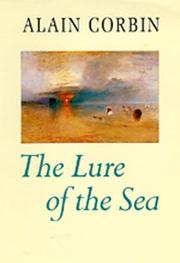
An edition of Territoire du vide (1994)
The lure of the sea
the discovery of the seaside in the western world, 1750-1840
By Alain Corbin
Publish Date
1994
Publisher
University of California Press
Language
eng
Pages
380
Description:
The Lure of the Sea is a brilliant account of how the pleasures of the seaside were discovered in the western world, written by one of the most creative historians in Europe today. Well illustrated and accessible, it charts the changes in the popular view of the shore and the rise of the coastal resort as a place of recreation and rest. Corbin argues that with few exceptions people living before the eighteenth century knew nothing of the attractions of the coast, the visual delight of the sea, the desire to brave the force of the waves or to feel the coolness of sand against the skin. The image of the ocean in the popular consciousness was coloured by Biblical and mythical recollections of sea monsters, voracious whales, and catastrophic floods. It was perceived as sinister and unchanging, a dark, unfathomable force inspiring horror rather than attraction. These associations of catastrophe and fear in the minds of Europeans intensified the repulsion they felt towards deserted and dismal shores. Corbin sets out to show how, with the Enlightenment, a profound change occurred in people's attitudes towards the sea. During the most important period, between 1750 and 1840, the discovery of the seaside as a place of pleasure and relaxation led to the rapid growth of British coastal towns such as Brighton, followed by other resorts in Europe, from Deauville to Marbella and the Greek Isles. With abundant references to the literature and visual arts of the period, Corbin describes the changing habits and fashions of visitors to these resorts, from the patients sent under doctors' orders to bathe in ice-cold sea water, to the women bathers of the nineteenth century who avoided indiscreet gazes by entering the waves through specially designed wagons. This major new work will be of interest to students and researchers in the history of early modern society, culture, literature, and art, and anyone interested in the changing ways in which the sea and the shore have been perceived in Western culture.