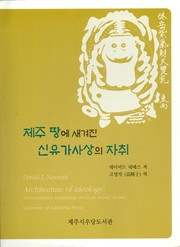
An edition of The architecture of ideology by David J. Nemeth ( in translation) (2012)
The architecture of ideology
Neo-confucian imprinting on Cheju Island, Korea
By David J. Nemeth
Publish Date
2012
Publisher
Jeju Woodang Public Library
Language
eng
Pages
398
Description:
**Cheju Island**, Korea's historic island of exile, with a harsh natural environment, early developed a negative image as human habitat. The author challenges this perception and shows how Neo-Confucian state ideology during the Yi dynasty (A.D. 1392-1910) created and conserved the island as a viable habitat by using feng-shui--a powerful medieval science of surveying--to shape the island's built environment and quality of life. The outcome, reflecting sustained political commitment to the philosophical concept of enlightened undervelopment, was a sincere landscape inhabited by a virtuous people. Cheju Island, Korea's historic island of exile, with a harsh natural environment, early developed a negative image as human habitat. The author challenges this perception and shows how Neo-Confucian state ideology during the Yi dynasty (A.D. 1392-1910) created and conserved the island as a viable habitat by using feng-shui--a powerful medieval science of surveying--to shape the island's built environment and quality of life. The outcome, reflecting sustained political commitment to the philosophical concept of enlightened undervelopment, was a sincere landscape inhabited by a virtuous people.
subjects: Jujudo, feng-shui (Korean p'ungsu), cultural landscape, Neo-Confucian ideology, Hallasan, Neo-confucianism, Geomancy, Korea, religion, Civilization, History
People: Chu Hsi
Places: Cheju-do, Cheju-do (Korea), Korea (South)
Times: 1972